
A Digital Gateway to New York City’s History
The Interactive Museum Exhibit developed for the New York City Department of Records and Information Services (DORIS) reflects work completed by Astound Media, the company behind Govanta. As the official repository for more than 400 years of New York City’s historical records, DORIS required a modern digital platform capable of making these collections more engaging and accessible to the public while meeting the accessibility, performance, and compliance standards expected of a municipal agency. The goal was not simply to publish historical content online, but to create an experience that encouraged visitors to explore, learn, and interact with New York City’s rich archival history.
Built on WordPress, the platform combines thoughtful information architecture with interactive document viewing, multilingual support, accessibility features, and performance optimization to create an engaging digital exhibit. Visitors can navigate themed collections, explore historical records through an intuitive interface, and experience archival materials in a format designed for both casual discovery and educational research. The underlying content management structure also provides DORIS with a scalable foundation for expanding the exhibit and publishing future collections without introducing unnecessary administrative complexity.
The result is a flexible digital platform that preserves New York City’s history while making it more accessible, discoverable, and engaging for future generations.

The Challenge
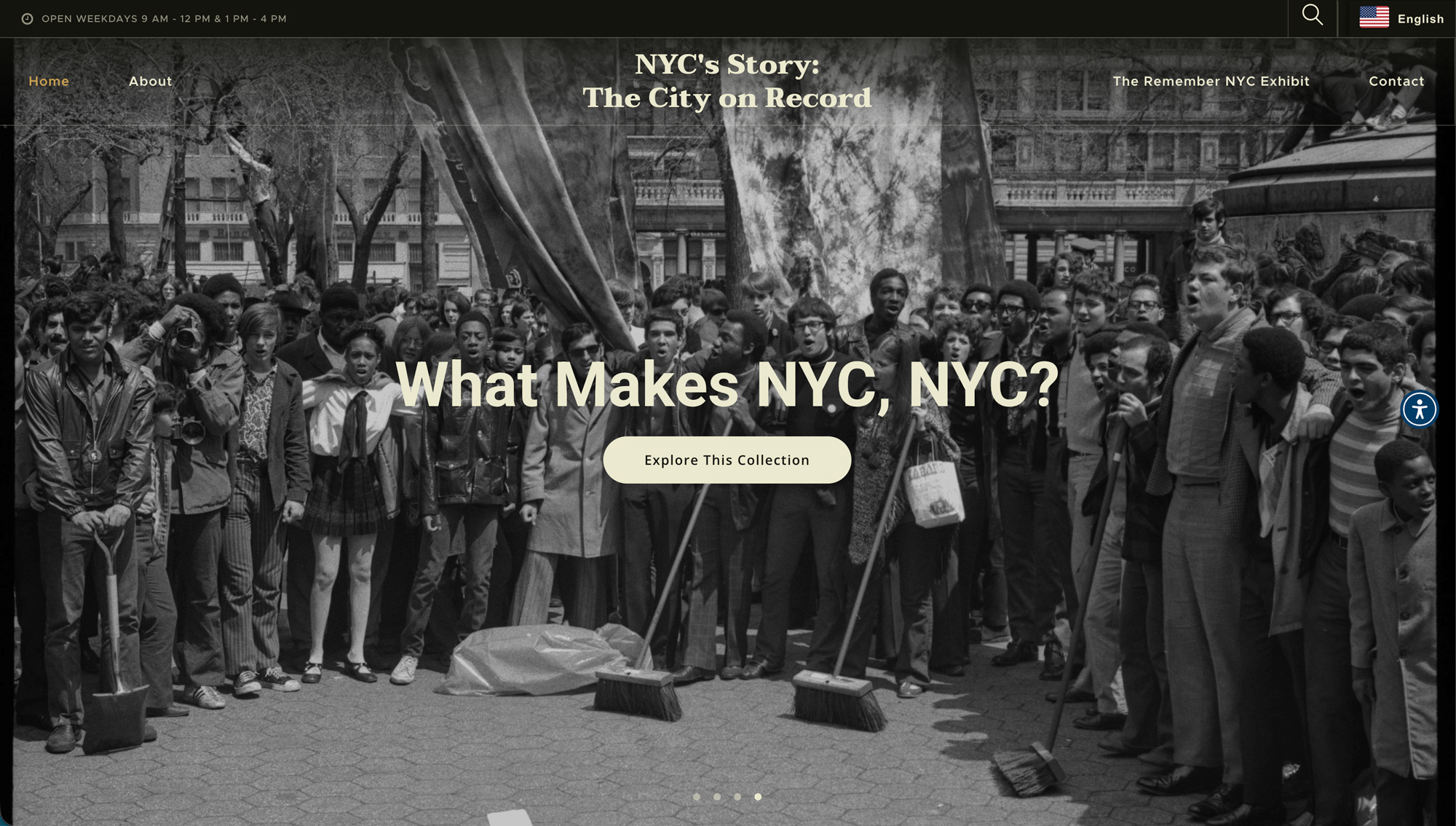
The New York City Department of Records and Information Services (DORIS) serves as the official repository for more than 400 years of New York City’s history, preserving documents, photographs, maps, and other archival materials that tell the story of the city’s evolution. While these collections are invaluable, presenting them through a modern digital experience required far more than publishing historical records online. The exhibit needed to make complex archival content approachable, engaging, and accessible for visitors with varying levels of historical knowledge.
The project also involved organizing more than 100 historical artifacts into a cohesive experience that encouraged exploration while remaining easy to navigate. Every piece of content required thoughtful organization, historical context, and intuitive pathways that would allow visitors to move naturally between themes without losing the broader narrative of New York City’s history.

Creating an engaging public exhibit meant balancing storytelling with information architecture. Historical documents, photographs, interactive media, and supporting content all needed to work together as a unified experience while remaining simple for visitors to explore and understand.
Because the platform represented a New York City government agency, accessibility, performance, and long-term maintainability were equally important. The exhibit needed to meet modern public-sector expectations while providing staff with an efficient way to manage and expand content over time.
The challenge was designing a digital exhibit capable of preserving centuries of history while supporting future collections, additional artifacts, and new stories without requiring the platform to be fundamentally restructured.
Thoughtful information architecture transforms archival collections into engaging public experiences. By organizing more than 100 historical artifacts spanning 400 years of New York City history, the platform established a scalable foundation that makes the city’s historical records easier to explore today while remaining ready for tomorrow’s exhibits.
The Solution
The platform was designed around the way visitors naturally explore history. A carefully planned information architecture organizes exhibits, themes, historical artifacts, and supporting content into a clear, intuitive navigation system that encourages discovery while making information easy to locate. The result is a digital experience that remains engaging for the public while providing a scalable foundation for future expansion.
Custom WordPress development served as the foundation of the implementation. Interactive document viewing, multilingual support, accessibility enhancements, performance optimization, surveys, and flexible content management were integrated into a unified platform that allows administrators to publish and manage exhibits without requiring extensive technical expertise.
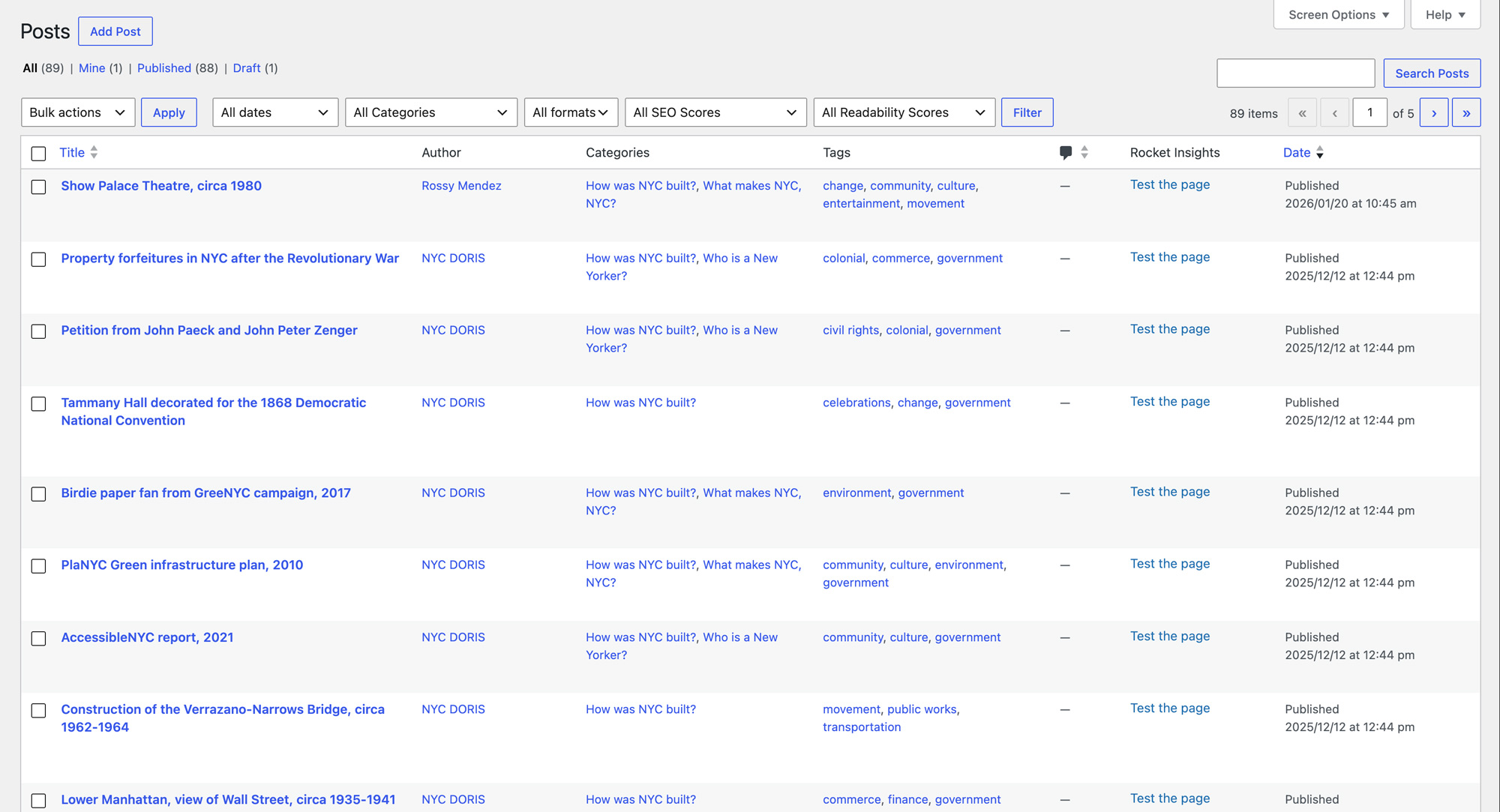
Designed as a living digital exhibit, the platform can continue to evolve as DORIS expands its collections, publishes new stories, and introduces additional historical artifacts.
Thoughtful planning, modern WordPress development, and scalable information architecture combined to create a platform that preserves New York City’s history while making it more accessible, engaging, and ready for future exhibits.
Measurable Results
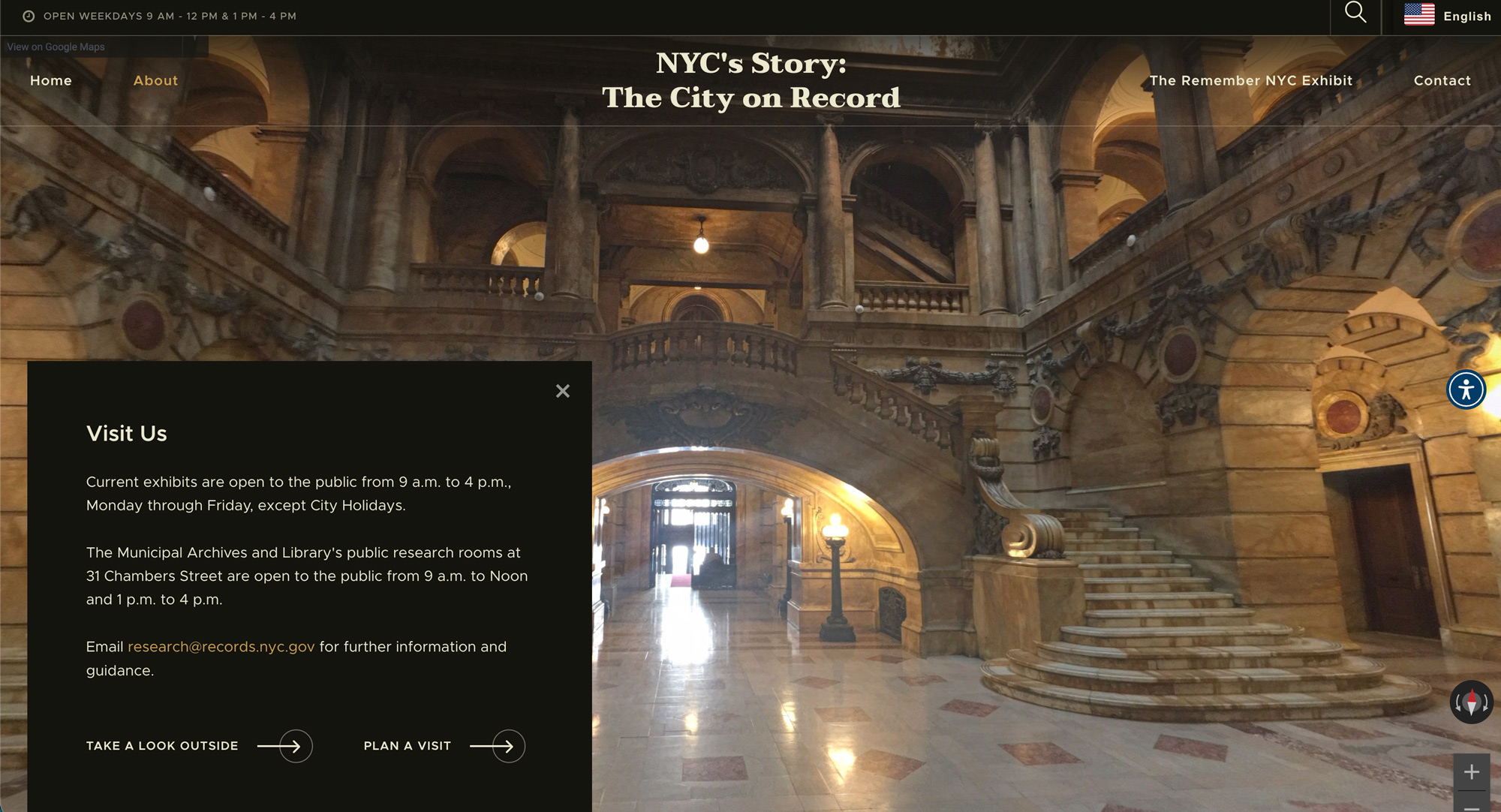
The completed platform transformed centuries of New York City history into an engaging digital experience that is easier to explore, maintain, and expand. More than 100 historical artifacts spanning 400 years of the city’s history are now presented through a modern WordPress platform designed to support public engagement, accessibility, and long-term growth.
Built with a scalable content architecture, the platform enables DORIS to continue publishing new exhibits, archival materials, and historical stories without requiring significant redevelopment. The result is a future-ready digital foundation that preserves New York City’s history while making it more accessible to educators, researchers, students, and the public.

